A coating is only as reliable as the surface beneath it
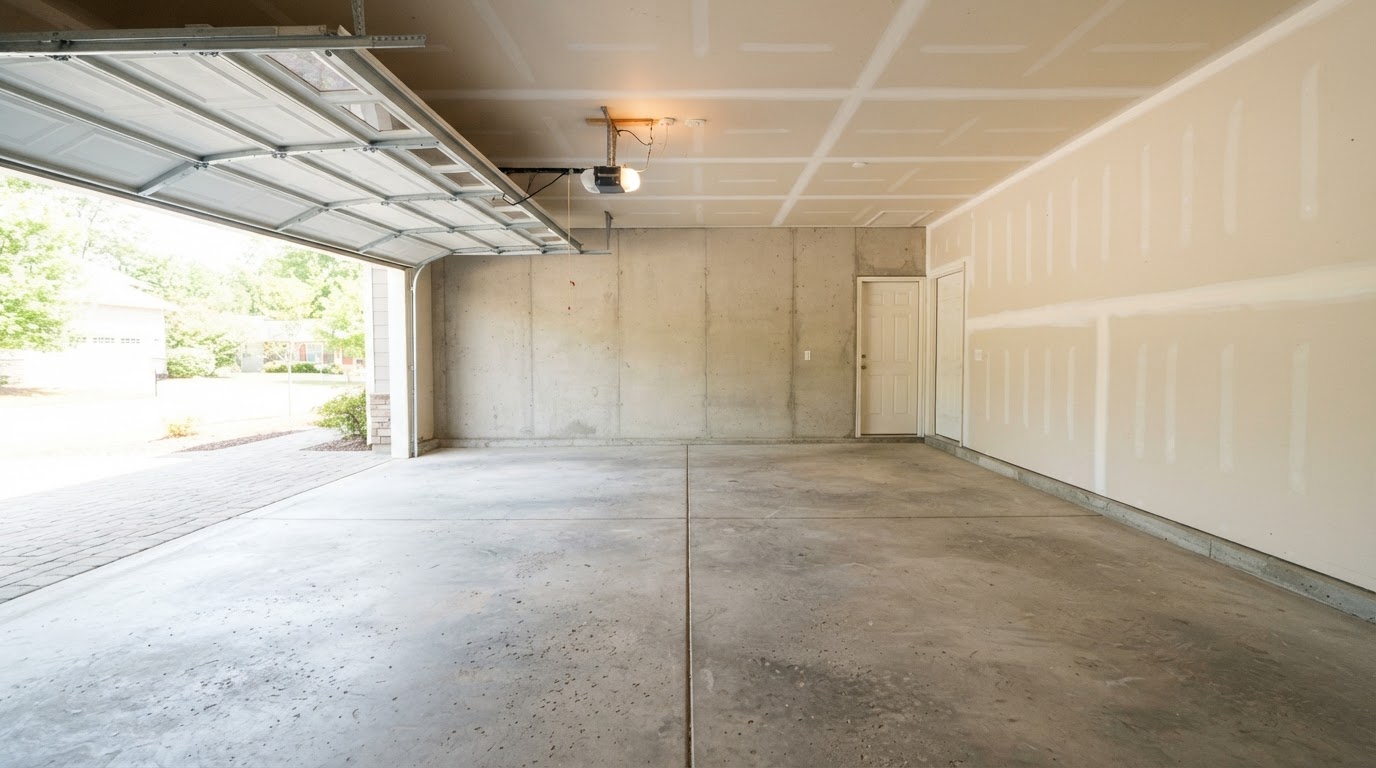
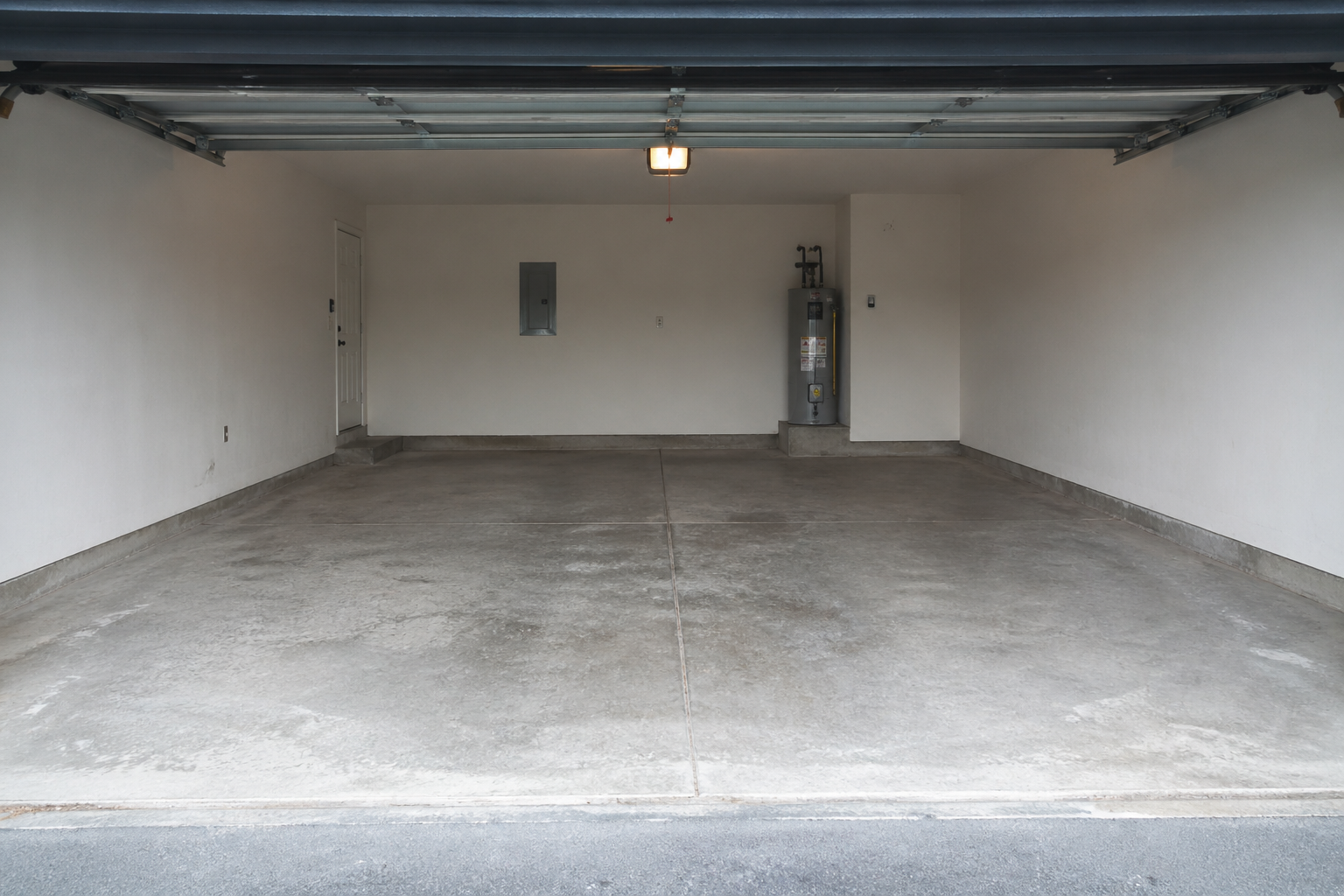
When a concrete coating fails, the cause is usually underneath the coating, not within it. If the concrete surface is weak, dusty, or sealed, the coating has nothing solid to bond to and can lose adhesion over time.
Proper surface preparation removes the weak top layer and creates a profile the coating can mechanically grip. That bond is what keeps the floor down under hot tires, moisture, and freeze-thaw cycles.
What proper preparation involves
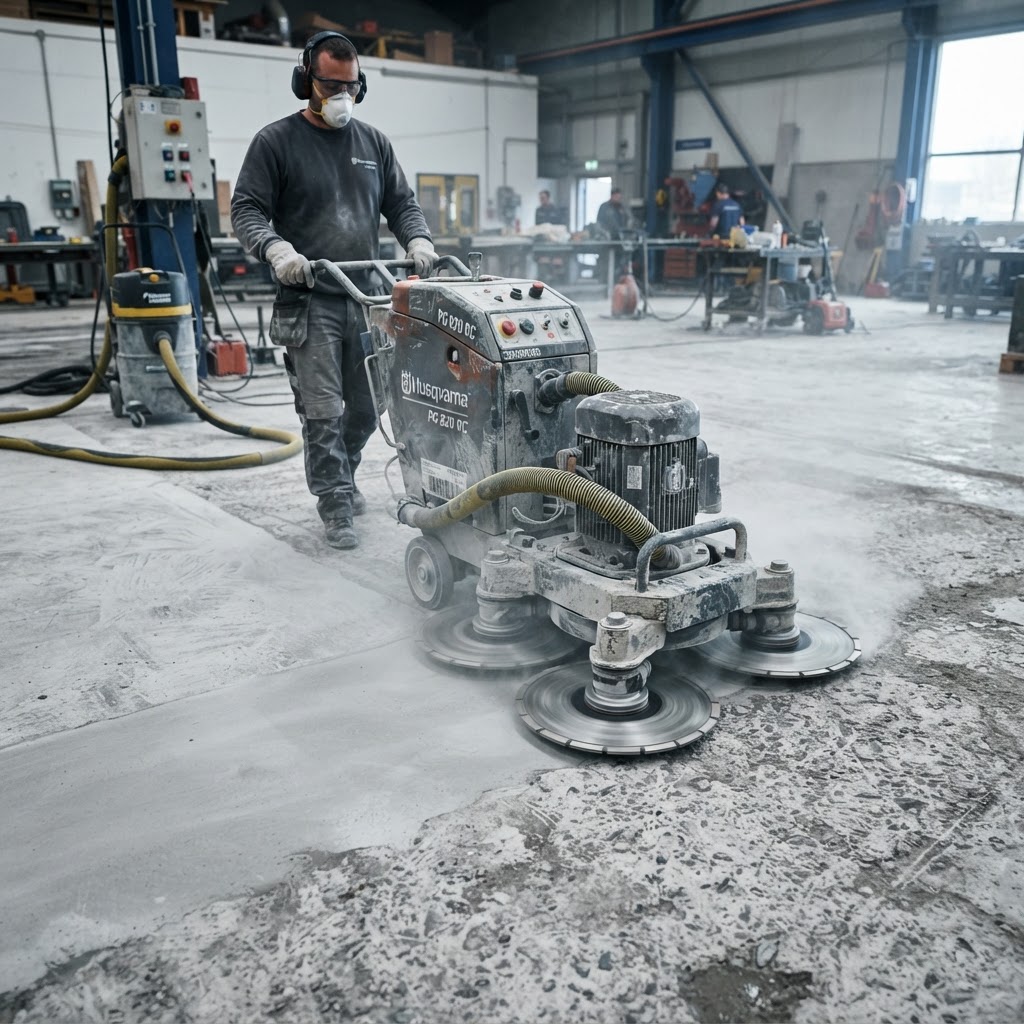
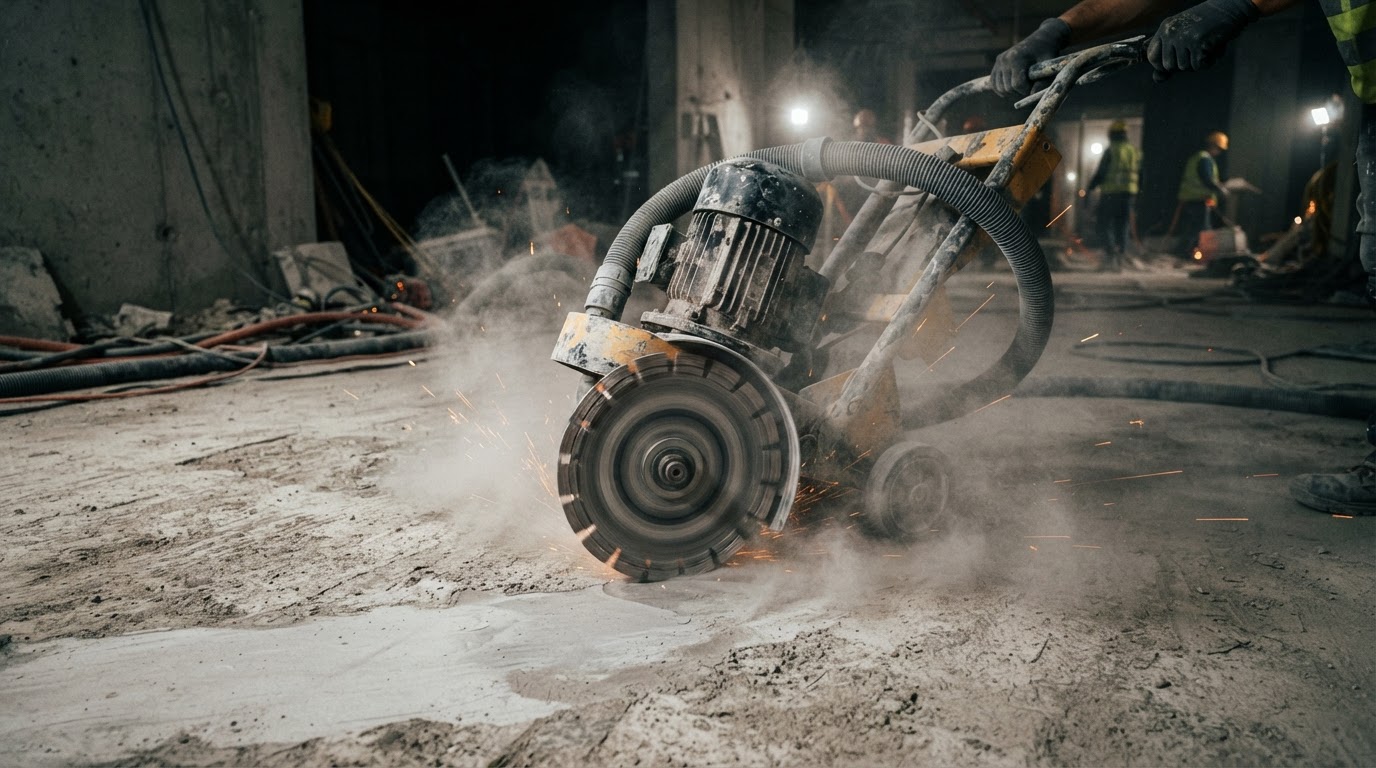
Mechanical preparation — typically diamond grinding — profiles the concrete and opens the slab for coating adhesion. It also removes existing paint, sealer, and contaminants that would otherwise interfere with the bond.
After profiling, cracks, pits, and surface defects are assessed and repaired with polymer menders. Any structural concerns are flagged before coating begins. Skipping these steps is the most common reason coatings fail early.
Why shortcuts cost more over time
Acid-etching or rolling a coating over an unprepared floor is faster and cheaper upfront, but the coating sits on a weak surface and can lift off far sooner than a properly prepared floor.
Investing in proper preparation means the coating has a real chance to perform as intended. It is the difference between a floor that lasts a season and one that holds up for years.
See how we prepare every floor
At Killen Epoxy, preparation is the foundation of every project. We mechanically profile the concrete, repair surface defects, and recommend a coating system suited to your floor's condition.
Want to see the full process? Visit our process page, or request a free quote to discuss your specific floor.
Get a Free Estimate for Your Floor
Reading is a start — let us come measure your actual slab and give you an honest quote. Free, no-pressure, on-site.